
Useful for your next trip
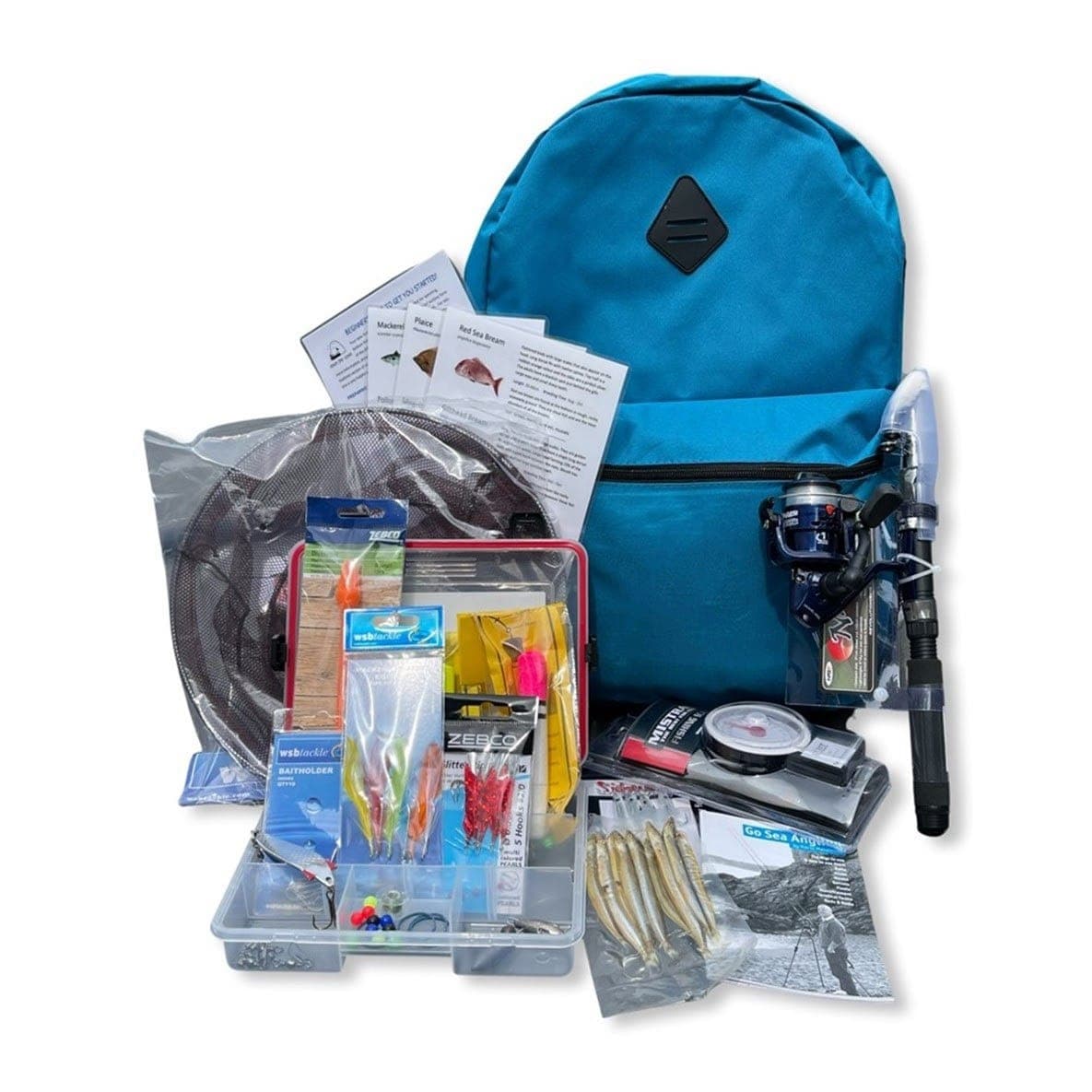
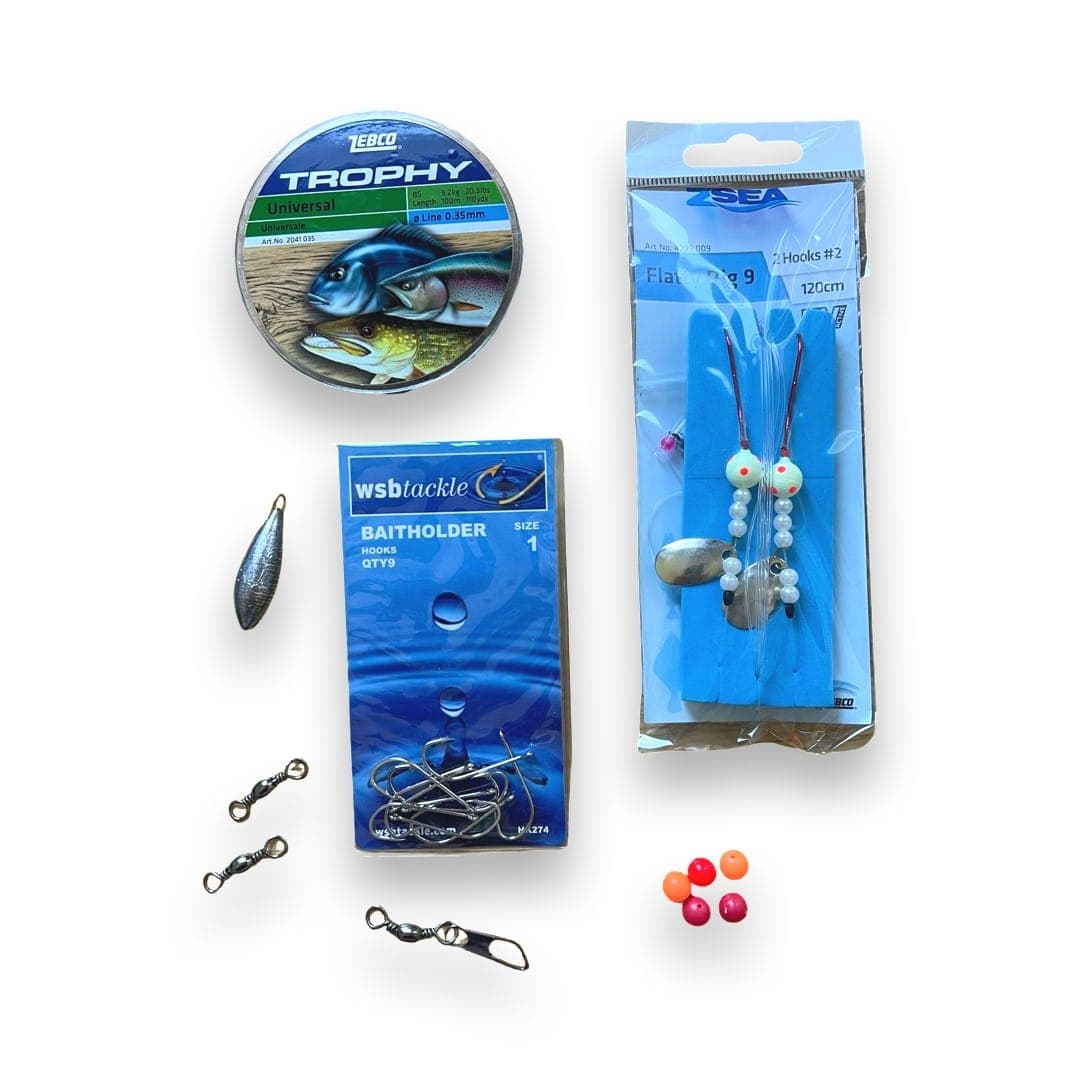
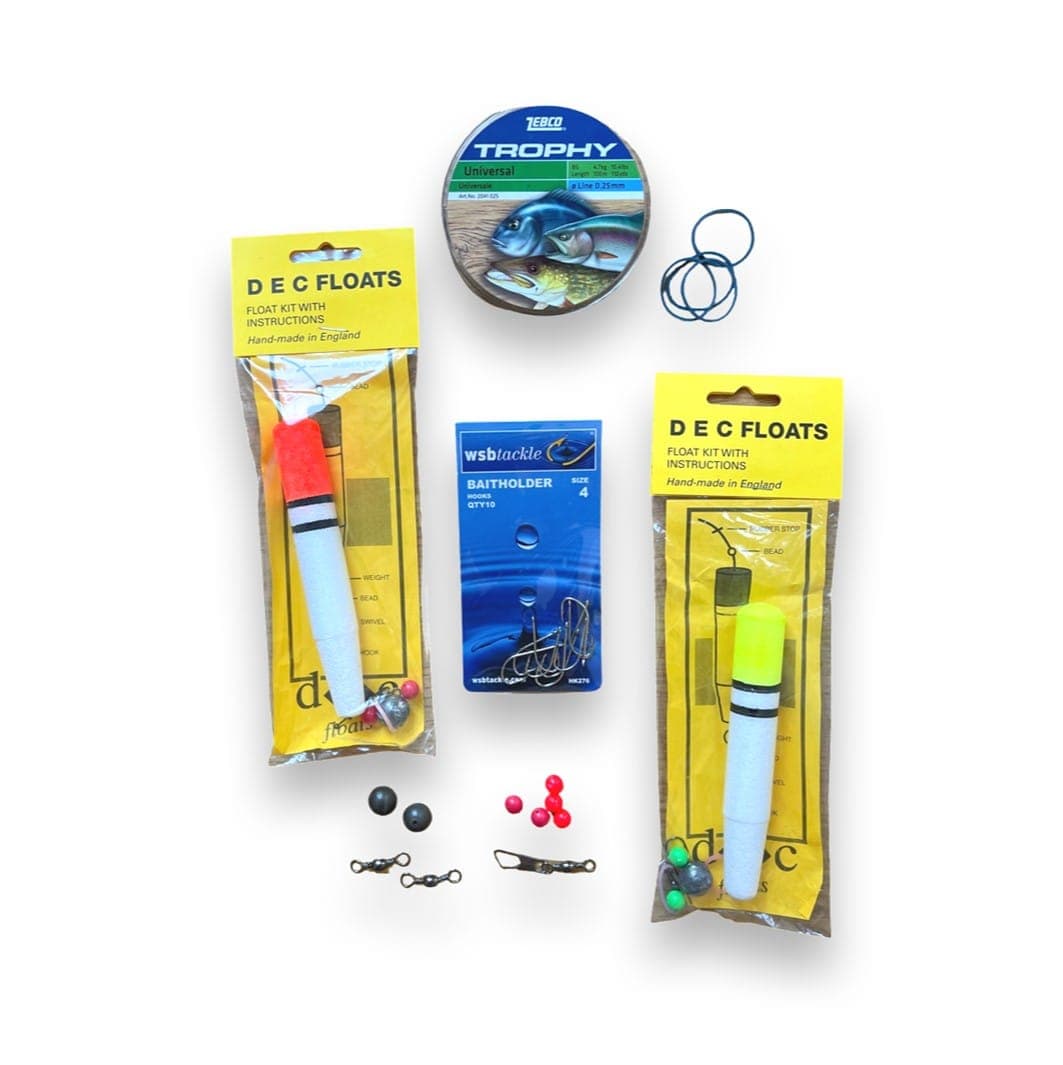
Useful kit connected to this guide, chosen to keep the next step simple.
Full dover sole guide
How to spot it, where it lives, how it is caught and how to cook it — the complete guide, in one easy read.
The Dover sole sits at the top of the flatfish order, the one good cooks save their best butter for. It feeds after dark over soft Cornish sand, coming up onto the shallows as dusk falls and the tide turns. It gives little away on the line, but in the pan it asks for nothing more than good butter and a careful eye.
How to spot it
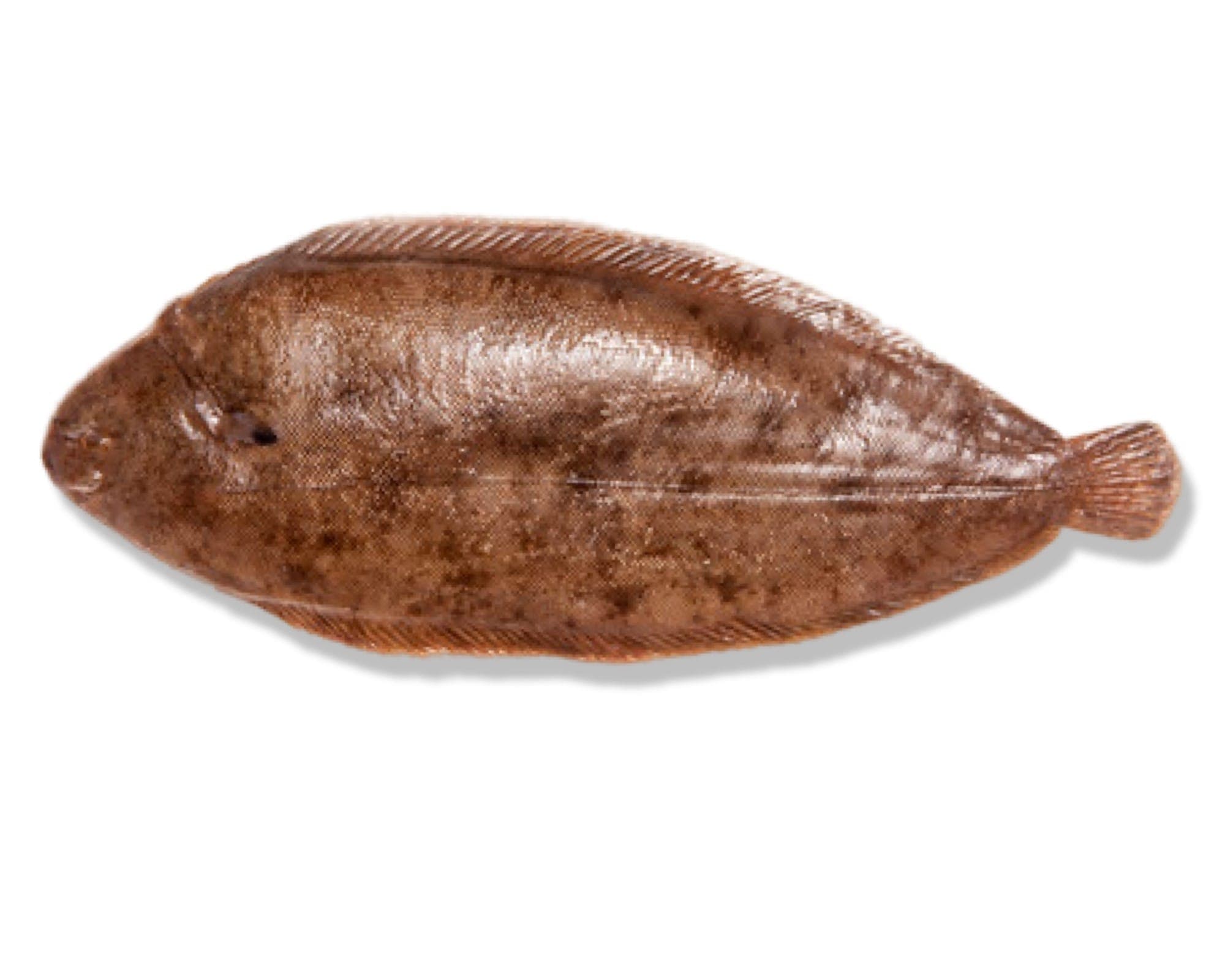
A Dover sole has a long, narrow oval body, near enough the shape of a shoe sole, where a lemon sole is broader and more rounded. Two small eyes sit close together on the upper side, above a blunt, rounded nose and a curved mouth set low. The colour is a muddy brown, mottled to vanish into the sand and silt it lives over. People muddle it with lemon sole, but the slim build, that rounded snout and the tight little eyes settle it. Fish run from around 30 to 70cm, so a good one feeds two without trying.
Where it lives
The Dover sole is a bottom fish that wants soft, forgiving ground, lying over shallow sandy and muddy bottoms along beaches and estuaries around Cornwall and the wider British Isles. It lives in the seam between day and night, coming alive as the light drops and the tide begins to push or pull. The shore-fishing window opens in spring and runs into early summer, when sole move within range of a bank angler. Find the clean, soft seabed it favours, fish it at dusk on a moving tide, and you are over feeding fish rather than empty sand.
Related guides and gear
FAQs
Quick fish questions
Short answers for the questions families and coastal readers often ask first.
Where can you buy Dover sole online?
Good Dover sole is landed in small quantities and sells fast, so a fishmonger or a Cornish day-boat supplier is your best route to a fresh one. Look for clear eyes, firm flesh and a clean sea smell, and have it whole on the bone or filleted to order.
What's the difference between Dover sole and lemon sole?
A Dover sole has a slim, oval body, a rounded nose and small, close-set eyes, with a muddy-brown mottled top. A lemon sole is broader, smoother and more rounded in shape. The Dover is the firmer, richer fish and the one most cooks rate as the finer of the two.
How do you cook Dover sole on the bone?
Trim the fins, then grill it whole, skin on, three to four minutes a side with butter and lemon, basting as it cooks. The bone protects the flesh and keeps it succulent, and the skin lifts away cleanly at the table. Finish classically as meuniere, with nut-brown butter and parsley.